If you’re considering buying or hiring a storage container for business, construction, retail, or personal use, one of the first questions you’ll probably ask is:
How long does a storage container actually last?
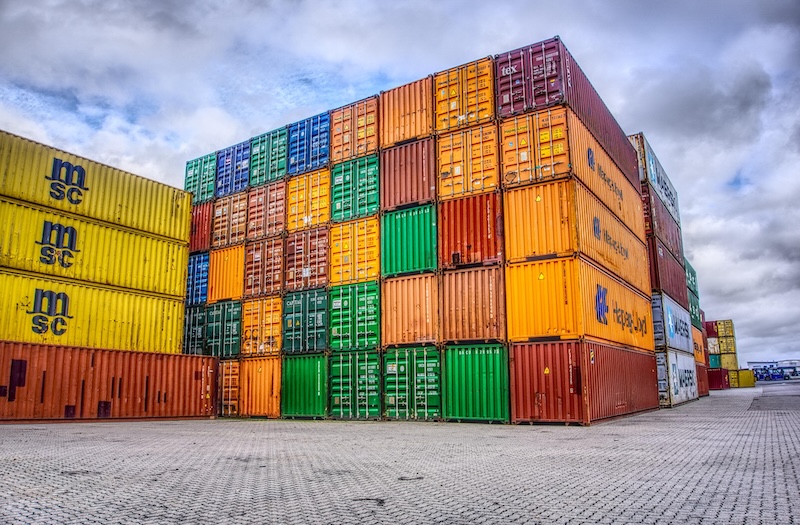
The good news is that modern steel storage containers are built to withstand decades of heavy use in some of the harshest environments on earth. With the right maintenance and placement, a quality shipping or storage container can remain fully functional for 25–40 years or more.
In this guide, we’ll explain what affects a container’s lifespan, how to extend it, and when it might be time to replace or refurbish one.
Average Lifespan of a Storage Container
Most steel storage containers have an expected lifespan of:
- 20–25 years with heavy commercial or shipping use
- 25–40 years when used primarily for static storage
- Potentially longer with proper maintenance
Containers used for international shipping endure constant movement, saltwater exposure, loading equipment, and extreme weather. Once retired from shipping and used as static storage on land, wear and tear is dramatically reduced, allowing the container to last much longer.
What Affects the Lifespan of a Storage Container?
Several factors determine how long a container will remain structurally sound and weatherproof.
1. Quality of the Container
Not all containers are equal.
A brand new “one-trip” container will typically last much longer than an older used container that has already spent years at sea. Newer containers usually have:
- Less corrosion
- Stronger flooring
- Better door seals
- Fewer dents or structural repairs
Used containers can still offer excellent value, but their condition should always be checked before purchase.
2. Weather and Environment
Environmental conditions have a major impact on longevity.
Containers located in coastal areas are more exposed to salty air, which can accelerate rust and corrosion. Constant rain, snow, or standing water can also shorten lifespan if drainage is poor.
Containers in dry inland environments generally last significantly longer.
3. Maintenance
Routine maintenance is the single biggest factor in extending container lifespan.
Simple maintenance tasks include:
- Checking for rust spots
- Repainting exposed metal
- Lubricating door hinges and locking bars
- Ensuring seals remain watertight
- Keeping the roof clear of standing water and debris
A well maintained container can easily outlast one that is neglected.
4. Ground Conditions and Placement
Storage containers should always be placed on a level, stable surface.
Poor placement can cause:
- Structural twisting
- Door alignment problems
- Water pooling underneath
- Accelerated corrosion
Ideal foundations include:
- Concrete pads
- Railway sleepers
- Steel supports
- Compact gravel bases
Keeping the container slightly elevated also improves airflow and reduces moisture build up beneath the unit.
5. Frequency of Use
Containers used daily on busy construction sites will naturally experience more wear than containers used occasionally for static storage.
Frequent opening and closing can affect:
- Door seals
- Hinges
- Locking mechanisms
Heavy internal loads can also place stress on flooring over time.
How to Make a Storage Container Last Longer
If you want to maximise your investment, there are several practical ways to extend the life of your container.
Inspect It Regularly
Look for:
- Rust patches
- Roof damage
- Water ingress
- Damaged seals
- Soft flooring areas
Catching small issues early prevents expensive repairs later.
Repaint When Needed
Most containers are coated with marine grade paint, but this eventually wears down.
Repainting exposed areas helps prevent corrosion and keeps the steel protected from moisture.
Improve Ventilation
Condensation is one of the most common causes of internal damage.
Installing vents or using moisture control products can reduce dampness and protect stored items.
Avoid Overloading
Although shipping containers are extremely strong, uneven or excessive loading can damage floors and structural components over time.
Distribute weight evenly wherever possible.
Keep Water Away
Ensure rainwater drains away from the container rather than collecting around the base.
Standing water is one of the fastest ways to encourage corrosion.
Can Rust Ruin a Storage Container?
Surface rust is normal and usually manageable.
However, untreated corrosion can eventually weaken the steel structure, particularly around:
- Door frames
- Roof seams
- Corner castings
- Floor supports
Regular treatment and repainting can prevent rust from becoming a serious issue.
When Should a Storage Container Be Replaced?
A container may need replacing when it develops:
- Severe structural corrosion
- Large holes or leaks
- Unsafe flooring
- Major door alignment problems
- Extensive frame damage
In many cases, refurbishment is possible and more cost effective than replacement.
Are New Containers Worth the Extra Cost?
For long term use, many customers find that new or “one-trip” containers provide the best value over time.
Benefits include:
- Longer lifespan
- Better appearance
- Improved security
- Lower maintenance requirements
- Reduced risk of leaks or corrosion
Used containers remain a popular budget friendly option for shorter term or less demanding applications.
Final Thoughts
A high quality storage container is a long term investment that can provide secure, weatherproof storage for decades.
While most containers comfortably last 25 years or more, proper maintenance, correct placement, and environmental conditions all play a major role in determining lifespan.
Whether you choose a new or used unit, taking care of your container from day one will help maximise its durability and protect your stored goods for years to come.
If you’re looking for reliable storage containers for sale or hire across the UK, Quick Space Containers can help you find the right solution for your needs.